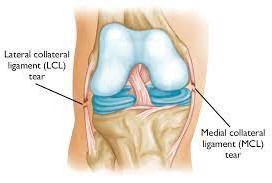
Knee injuries involve trauma to one or more tissues that make up the knee joint: ligaments, tendons, cartilage, bones and muscles. These types of injuries may happen due to a fall, forceful twisting of the knee or high impact from a motor vehicle accident or another force.
What are the symptoms of knee damage that may require knee replacement surgery ?
- Knee pain that hinders walking, climbing stairs or getting in and out of a chair
- Knee pain interferes with sleep or does not subside with rest
- Inability to cope with side effects of pain relief medication
- Knee swelling that does not respond to treatment and that limits bending or straightening the knee
- Significant bowing in or out of the knee
Knee Injury Facts
- The knee is one of the most common body parts to be injured.
- Types of common knee injuries include sprains, strains, bursitis, dislocations, fractures, meniscus tears, and overuse injuries.
- Knee injuries are generally caused by twisting or bending force applied to the knee, or a direct blow, such as from sports, falls, or accidents.
- Risk factors for knee injury include overuse, improper training, having osteoporosis, and playing high-impact sports that involve sudden changes in direction.
- The main signs and symptoms of knee injury are knee pain and swelling.
- Knee injuries are diagnosed by a history and physical examination. Sometimes an X-ray or MRI may be done.
- Treatment of knee injuries depends on the type and severity of the injury and can involve RICE therapy (rest, ice, compression, elevation), physical therapy, immobilization, or surgery.
- The prognosis for a knee injury depends on the type and severity of the injury and the need for physical therapy or surgery.9. Excessive lateral pressure syndrome
- Prevention of knee pain and injuries involves proper training, proper equipment, and maintaining a safe playing field or home environment to avoid falls.